Many parents and carers have questions about flu (the shorter form of influenza) and the childhood flu National Immunisation Programme. Here, we have put together some common frequently asked questions, so that we can help support you to make an informed decision on your child’s vaccination.




Symptoms of flu and viruses
In babies and toddlers, flu can cause a high temperature (a fever), rapid breathing, breathlessness, a cough, not taking their usual feeds, and drier nappies than usual.1 In young children it can cause a lot of signs too – including fever, breathlessness, rapid breathing, cough, a runny or blocked nose, sneezing, muscle aches, headaches and sometimes vomiting and diarrhoea.1,2 Older children and teenagers get similar signs, including a fever, sore throat, cough, runny or blocked nose, headaches, fatigue or tiredness, muscle aches, vomiting, and diarrhoea.2
Flu can be pretty unpleasant for kids; ask someone who has had it, it is generally worse than a common cold.2,3
The common cold and flu are contagious viruses of the airways, nose through to the lungs, but they are caused by different viruses:4
- The flu caused by the influenza virus.
- The common cold can be caused by many different viruses that are grouped together.
- You may have heard a lot about Strep A, this is an infection caused by a bacteria not a virus.5
We have put together a table so you can see the differences between them:6-11
How long do symptoms take to appear?
Flu
Appears quickly within a few hours
Common Cold
Appears gradually
Group A Strep
Between 2 to 5 days
What are the symptoms?
Flu
Flu symptoms affects more than just your nose and throat; symptoms can include:
- A sudden fever
- An aching body
- Feeling tired or exhausted
- A dry cough
- A sore throat
- A headache
- Difficulty sleeping
- Loss of appetite
- Diarrhoea or tummy pain
- Feeling sick and being sick
- Ear pain
Common Cold
Cold symptoms mainly affect your nose and throat; symptoms can include:
- A blocked or runny nose
- A sore throat
- Headaches
- Muscle aches
- Coughs
- Sneezing
- A raised temperature
- Pressure in your ears and face
- Loss of taste and smell
Group A Strep
Common symptoms of strep A include:
- A high temperature, swollen glands or an aching body
- Sore throat (strep throat or tonsillitis)
- A rash that feels rough, like sandpaper (scarlet fever)
- Scabs and sores (impetigo)
- Pain and swelling (cellulitis)
- Severe muscle aches
- Nausea and vomiting
How unwell can someone feel?
Flu
Can make you feel exhausted and too unwell to carry on as normal
Common Cold
Can make you feel unwell, but you’re OK to carry on as normal
Group A Strep
Usually mild, but some people can become very unwell
Does the flu vaccination help to protect against it?
Flu
Yes
Common Cold
No
Group A Strep
Yes
-
When to be concerned
If you think your baby or toddler has the flu and you are concerned, you can visit your GP, healthcare team or call 111 for advice. You might want to seek further attention if:1
- A temperature of 38oC or more in babies under 3 months old, or 39oC or more in babies 3 months or older.
- Fewer wet nappies, or nappies that seem drier than usual, or they have a dry nappy for 12 hours or more.
- Difficulty feeding or is taking less than half their usual feeds over the last 2-3 feeds.
Symptoms in babies and toddlers that require emergency treatment
If you think your baby or toddler has the flu and you think there is an emergency, trust your instincts, and phone 999 or take them to A&E. Warning signs that your baby or toddler needs immediate medical attention include:1
- They stop breathing, or have pauses in their breathing.
- Have severe difficulty breathing or are breathing very quickly, even when resting.
- Have skin that looks very pale, grey or white or has mottling on their arms, legs or body.
- Have skin, lips and tongue that looks very pale blue or purple.
- Isn't awake, can't be awakened, or is difficult to wake.
Find out more about the symptoms of flu, look at our page with more information: What is flu
The flu, although mainly a respiratory illness (meaning from the nose, through the throat, and down into the lungs), can affect the whole body, and a child may experience a sudden onset of signs, including:1,2
- A temperature of 38°C or above.
- Body aches.
- A cough.
- Fatigue.
- Runny or blocked nose.
- Feeling or being sick.
- Diarrhoea or tummy pain.
When to seek further attention for your young child’s flu symptoms
If your child has a high temperature for more than 5 days, or other flu symptoms don’t improve after 7 days, or if you are just worried about them, call your GP surgery or 111 for a medical opinion.6,11
Symptoms in young children that require emergency treatment
Seek emergency treatment and call 999 if your child:1
- Stops breathing or experiences pauses in their breathing.
- Has severe difficulty breathing (such as grunting or noisy breathing).
- Appears seriously unwell (e.g., very pale, grey, or white, or has mottling on their arms, legs, or body).
- Lacks normal colour in their skin, lips, and tongue (appearing very pale, blue, or purple).
- Cannot be woken up or it is really difficult to wake them up, or they are breathing rapidly even when they are resting.
Find out more about the symptoms of flu, look at our page with more information: What is flu
If your child has a high temperature for more than 5 days, or other flu symptoms don’t improve after 7 days, or if you are just worried about them, call your GP surgery or 111 for a medical opinion.6,11
Symptoms in older children and teenagers that require emergency treatment
Seek out emergency treatment and call 999 if they have:6
- Sudden chest pain,
- Difficulty breathing,
- Coughing up a lot of blood suddenly.
Find out more about the symptoms of flu, look at our page with more information: What is flu
-
Getting the flu vaccine
If your child gets a vaccine for flu, it can help protect them from flu and the serious complications we have talked about.3 Without vaccination, one in every five children and one in every ten adults are estimated to be infected with flu each year.12
So one thing you can do to help protect them is a flu vaccine; this can boost a child’s immunity and help prevent illness in themselves, their family, friends, and the rest of the community.13
For more information on where to go for your vaccine look at our page with more information: Where to go
Children are offered a free nasal spray flu vaccine from GP surgeries (if they are 2 or 3 years old, or older and home schooled) or through the school immunisation programmes (if they are 4 or older, depending on what age the programme goes up to).14 If the nasal spray is not suitable, an alternative may be offered; to understand the full eligibility criteria, click on the tab at the top of the page or check with your school or healthcare team.
What if my child is unwell on the day of vaccination in school and missed the appointment?
If your child misses the session in their school when they were doing the vaccines, they may be able to point you in the right direction for 'mop up' clinics - these may be in the school or in the community.15
For more information on where to go for your vaccine look at our page with more information: Where to go
All children aged 2-16 can get their vaccine free on the NHS. You can also pay for it yourself and book a nasal spray flu vaccine privately; contact your local pharmacy or GPs to talk about it and find out if they offer vaccines privately.3,16
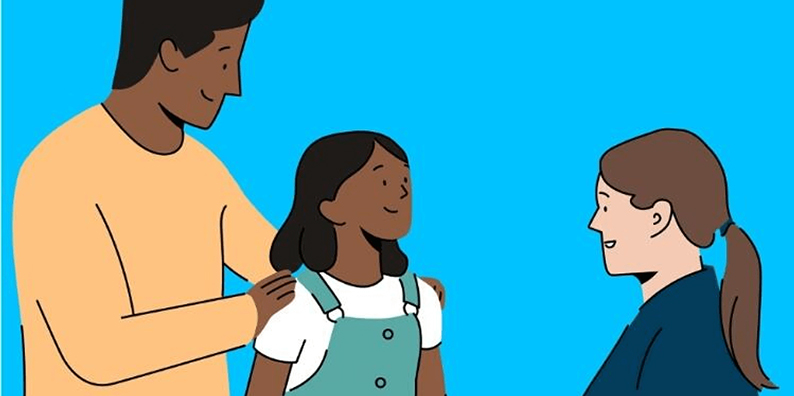
01
The nasal spray flu vaccine is given as a little squirt up each nostril. It is quick and painless, so your child doesn’t need to have a jab in the arm; your child can still get the nasal spray flu vaccine if they have a runny nose or are blowing their nose (just not a blocked nose).14,17
The nasal spray flu vaccine is given in a few simple steps.
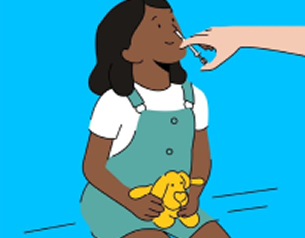
02
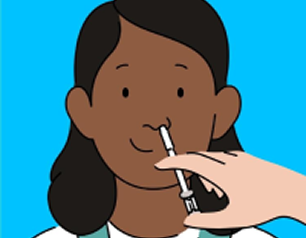
The nurse or healthcare professional places the tip of a thin plastic tube just inside the nostril.
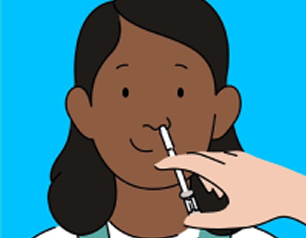
03
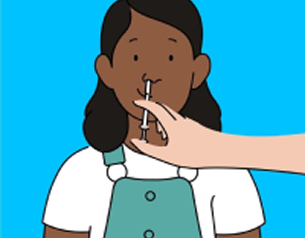
The nasal spray flu vaccine is given as a divided dose into both nostrils.
04
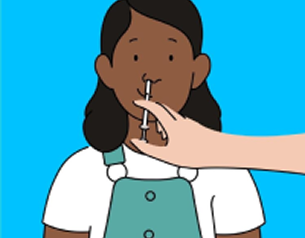
The other half of the dose is sprayed into the other nostril promptly.


05
The child can breathe normally while the vaccine is being administered - there is no need to actively inhale or sniff in.
Most children who are eligible for a flu vaccine can have the nasal spray. But some children may be offered the injected flu vaccine instead if they: are under 2 years of age have had a serious allergic reaction (anaphylaxis) to a previous dose of the nasal spray vaccine, have had a serious allergic reaction to an ingredient in the nasal spray vaccine, including gelatine, neomycin or gentamicin, have a severe egg allergy that's needed intensive care hospital treatment, have a severely weakened immune system, or live with someone who has a severely weakened immune system (for example, someone who has had a bone marrow transplant), have asthma that's being treated with long-term steroid tablets or has needed intensive care treatment in hospital, have had a flare-up of asthma symptoms in the past 72 hours, including wheezing or needing to use a reliever inhaler more than usual, are having salicylate therapy
-
After getting the vaccine
The nasal spray flu vaccine can cause side effects, although not everybody gets them. Most side effects are mild in nature and short term. Very common side effects may affect more than 1 in 10 people, and may include reduced appetite, runny or stuffy nose and weakness. Common side-effects may affect up to 1 in 10 people, and may include muscle aches, headache and fever. Uncommon side effects may affect up to 1 in 100 people and may include rash, nose bleed, allergic reactions. Serious side effects, such as severe allergic reactions, are very rare (may affect up to 1 in 10,000 people).
If your child gets any side effects, talk to your school or healthcare team. This includes any possible side effects not listed in the package leaflet. You can report side effects directly via the Yellow Card Scheme at www.mhra.gov.uk/yellowcard. By reporting side effects, you can help provide more information on the safety of the medicines.
After the vaccine, sometimes children can get a bit of a runny nose, or a blocked nose, a headache, feel tired or lose their appetite; these are usually mild and do not last long.14 The nasal spray flu vaccine will not give your child the flu as it only contains a small amount of weakened virus.3
If your child is feeling unwell, and they have a very blocked or runny nose, or a high temperature, it may be best to wait until they recover before getting the nasal spray vaccine (as a blocked nose could stop the vaccine doing what it should do in the nose) - speak to your healthcare team to check.14 If they don't, but they feel a bit unwell, good news - they can still get the vaccine as the nasal spray flu vaccine does not make mild illnesses worse.18
-
In the nasal spray flu vaccine
Some vaccines use gelatine when they are being made - the nasal spray flu vaccines use a highly processed form of gelatine (porcine, so from pigs) in the early stages of it being made. We know that some people have questions about this.19,20 Some faith groups understand and accept its use in medicines - it is something that is important for you to make an informed decision about; speak to your faith leaders. More information is available in the Gelatine FAQ
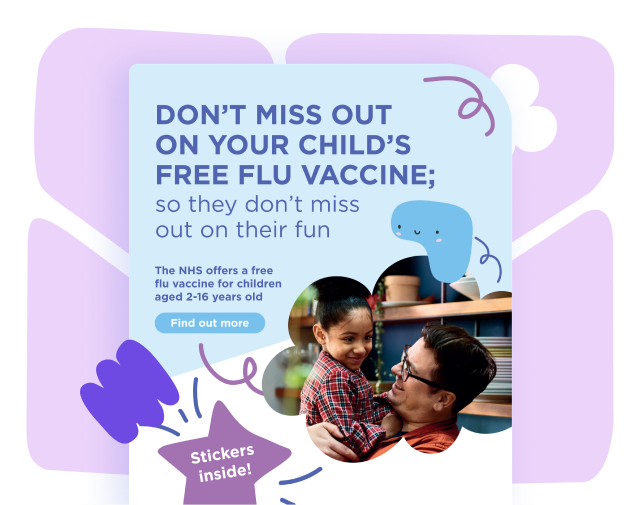
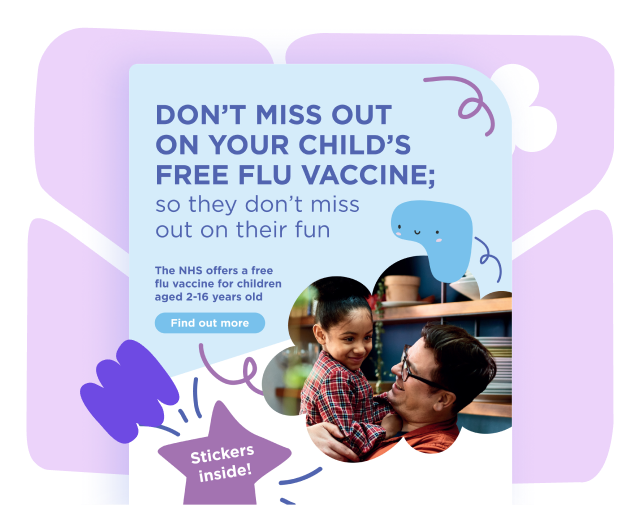
Everything you need in one place!
A leaflet that covers all of the information you need to know about flu and the vaccine.


Head over to the FAQs for the most commonly asked questions surrounding flu and the nasal spray vaccine

- NHS inform. If your child has cold or flu symptoms. Accessed: August 2024. Available at: https://www.nhsinform.scot/illnesses-and-conditions/lungs-and-airways/if-your-child-has-cold-or-flu-symptoms
- CDC. Flu symptoms & complications. October 3, 2022. Accessed: August 2024. Available at: https://www.cdc.gov/flu/symptoms/symptoms.htm
- NHS. Protecting Your Child against Flu Immunisation in England Information for Parents and Carers; 2024. Accessed: August 2024. Available at: https://assets.publishing.service.gov.uk/media/66cdb14bb0bac21caec70907/UKHSA_12922_Protecting_your_child_against_flu_leaflet_04_WEB.pdf
- CDC. Cold versus flu. Published September, 2022. Accessed: August 2024. Available at: July 2024. https://www.cdc.gov/flu/symptoms/coldflu.htm
- CDC. Strep throat: All you need to know. Published January, 2023. Accessed: August 2024. Available at: https://www.cdc.gov/group-a-strep/about/strep-throat.html
- NHS Choices. Flu. NHS. Published September, 2022. Accessed: August 2024. Available at: https://www.nhs.uk/conditions/flu/
- NHS. Common cold. February 2021. Accessed on: August 2024. Available at: https://www.nhs.uk/conditions/common-cold/
- NHS Inform. Scarlet fever - Illnesses and conditions. Published 2020. Accessed: August 2024. Available at: https://www.nhsinform.scot/illnesses-and-conditions/infections-and-poisoning/scarlet-fever
- NHS Choices. Strep A. Published 2023. Accessed: August 2024. Available at: https://www.nhs.uk/conditions/strep-a/
- Sinnathamby MA, Warburton F, Guy R, et al. Epidemiological Impact of the Pediatric Live Attenuated Influenza Vaccine (LAIV) Program on Group A Streptococcus (GAS) Infection in England. 2023; 10 (6). doi: https://doi.org/10.1093/ofid/ofad27
- NHS Choices. Fever in Children. Published 2020. Accessed: August 2024. Available at: https://www.nhs.uk/conditions/fever-in-children/
- Somes MP, et al. Estimating the annual attack rate of seasonal influenza among unvaccinated individuals: a systematic review and meta-analysis. Vaccine. 2018; 36 (23): 3199-3207.
- GOV.UK. Flu vaccination programme 2023 to 2024: Briefing for Primary Schools. Accessed: August 2024. Available at: https://www.gov.uk/government/publications/flu-vaccination-in-schools/flu-vaccination-programme-2021-to-2022-briefing-for-schools
- NHS. Children’s flu vaccine. Accessed: August 2024. Available at: https://www.nhs.uk/conditions/vaccinations/child-flu-vaccine/
- UKHSA. Flu vaccination programme 2024 to 2025: briefing for schools. Published 2023. Accessed: August 2024. Available at: https://www.gov.uk/government/publications/flu-vaccination-in-schools/flu-vaccination-programme-2021-to-2022-briefing-for-schools#the-nasal-flu-vaccine
- Childhealthy. Vaccination Advice From Childhealthy | Book An Appointment. Childhealthy. Accessed: August 2024. Available at: https://childhealthy.co.uk/vaccinations-landing/
- Fluenz nasal spray suspension Influenza vaccine (live attenuated, nasal). Summary of Product Characteristics. Accessed: August 2024. Available at: https://www.medicines.org.uk/emc/product/15790/smpc
- CDC. Vaccines when your child is sick. September, 2021. Accessed: August 2024. Available at: https://www.cdc.gov/vaccines/parents/visit/sick-child.html
- UKHSA. Vaccines and Porcine Gelatine; 2022. Accessed: August 2024. Available at: https://assets.publishing.service.gov.uk/government/uploads/system/uploads/attachment_data/file/1107767/UKHSA-12462-vaccines-porcine-gelatine-English.pdf
- Oxford Vaccine Group. Vaccine ingredients. Published May, 2022. Accessed: August 2024. Available at: https://vk.ovg.ox.ac.uk/vaccine-ingredients#Added-ingredients
- NHS. Child flu vaccine. Available at: https://www.nhs.uk/vaccinations/child-flu-vaccine/ (Accessed: August 2025).
GB-80679 | September 2026
©2025 AstraZeneca. All rights reserved. GB-67884 | August 2025